Services
Wynyard Dental & Implant Clinic.

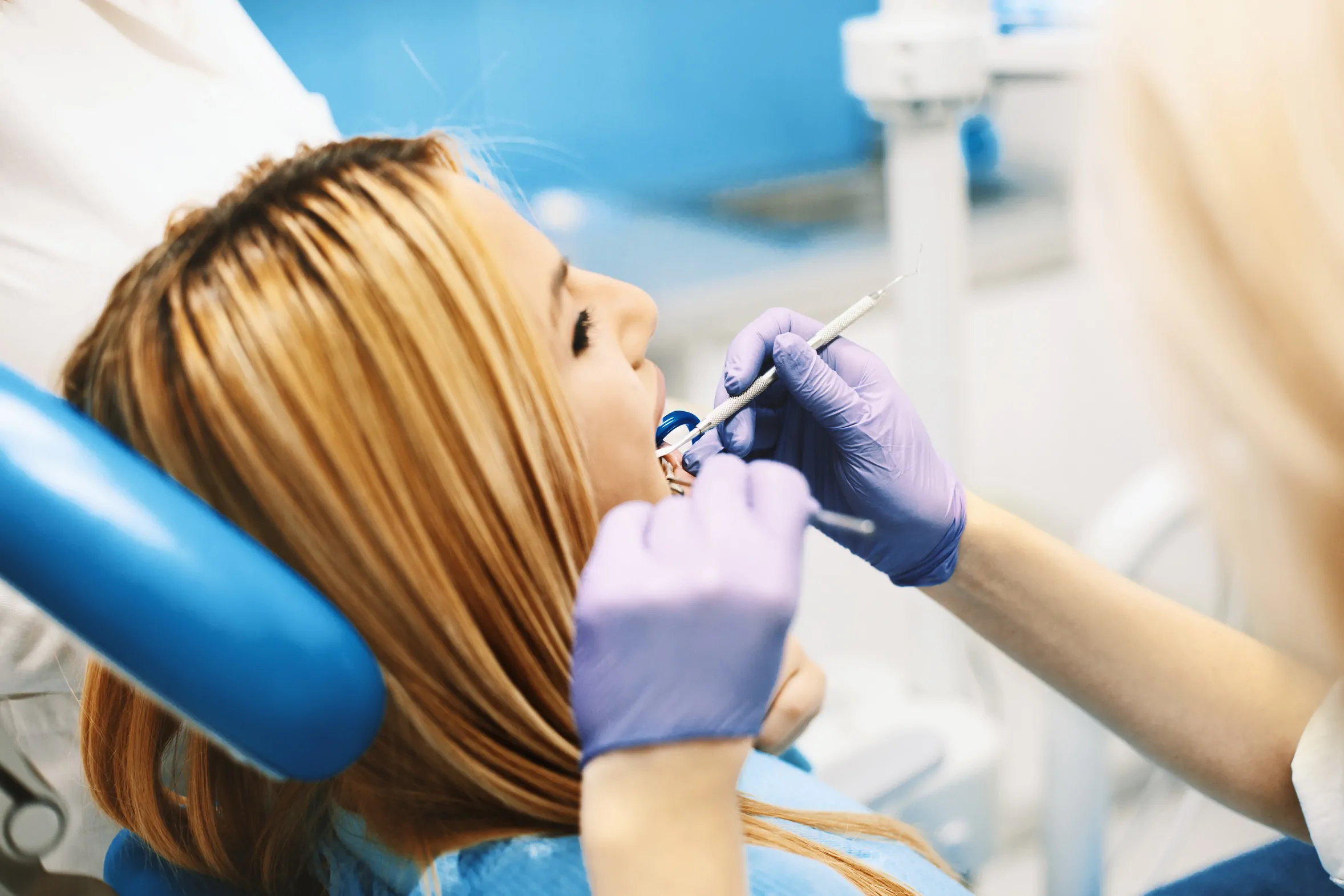
Here at Wynyard Dental & Implant Clinic, we offer both general check-ups and hygiene services, both are there to help you maintain the best oral hygiene!
Our dentists can assist you to identify problem areas in your teeth, such as cavities and decay along with cosmetic dentistry, whilst our Dental Hygienist/ Therapist can work with you to improve your gum health and perform professional cleanings.
We recommend both a hygiene visit and a general check up for the very best oral health!
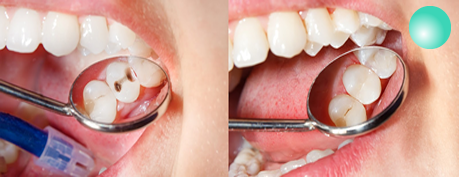
White Fillings
Remove unsightly silver metal fillings and replace them with tooth coloured fillings for a whiter smile.
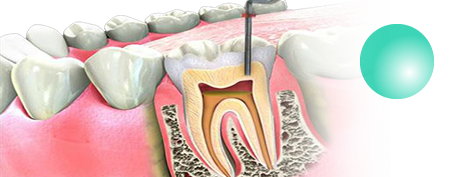
Root Canal Treatments
we offer root canal treatment services for your; incisor/canines, premolars and molars.
Root canal treatment is a dental procedure used to treat infection at the centre of a tooth. Root canal treatment can save a tooth that might otherwise have to be removed completely.
Root canal treatment is needed when x-rays show that the dental pulp – the soft tissue at the centre of the tooth – has been damaged by a bacterial infection.
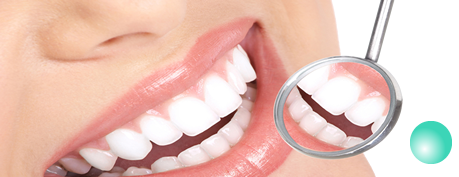
Porcelain Veneers
Improve your smile by lengthening and reshaping teeth and closing gaps between teeth. Ask about a complete smile
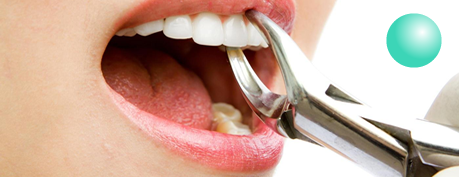
Extractions – Simple and Surgical
At Wynyard Dental & Implant Clinic, we offer two types of dental extraction services, simple and surgical.
Simple dental extraction is used to remove teeth that can be seen and are easily accessible, whereas surgical dental extraction typically requires an incision into the connective tissue to gain access to the tooth to be removed.
The team at Wynyard Dental will keep you informed and comfortable at all times.

Crowns
Crownwork achieves much the same results as veneer work. It is employed in situations where veneers would be unsuitable. Preparation for a crown involves removing slightly more tooth.
Crowns are used to replace broken, damaged or severely decayed teeth. In the past, if you needed a dental crown you had only one option: a metal crown; usually made from gold. But, with advances in the strength and durability of ceramics, you now have a choice between traditional metal crowns; porcelain crowns fused to metal; porcelain onlays; or crowns made entirely from porcelain or reinforced resin.
In situations where there is a high amount of concern about appearance, a bonded all porcelain crown (metal-free) is the nicest restoration. For the front teeth, the advantage is its natural, lifelike translucency and not having to deal with the possibility of the potentially unsightly dark line at the gum line of the tooth. For back teeth, the advantage of a porcelain crown or onlay is the conservation of healthy tooth structure and kindness to the gums. For teeth that are toward the back but that still show when you smile, a porcelain fused to metal crown is a good choice. Because it isn’t in such a prominent position, it usually looks very natural, and although it’s not indestructible, it’s strong enough to resist the heaviest biting stresses.
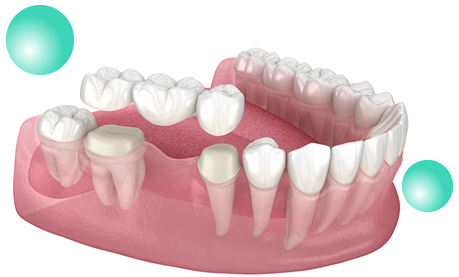
Bridgework
Bridges are fixed restorations that replace one or more missing teeth. If missing teeth are not replaced the adjacent teeth can tilt into the space, opposing teeth can over-erupt and you may have trouble chewing.
To fit a bridge, the two teeth on either side of the missing tooth are ground down and fitted with crowns. These two crowns support a third crown, fitted in the centre, to bridge the gap left by the missing tooth.
Types of Bridges
Porcelain Bonded Bridges
Porcelain Bonded bridges are made from porcelain which is fused to a precious metal core. The metal core provides additional strength and is usually prescribed at the back of the mouth where biting forces are higher and aesthetics are not of prime concern. They involve the preparation of the adjacent teeth
All Porcelain
As the name suggests these bridges are made from a new Porcelain material which is cast from molten porcelain. They are then built up to completely recreate your missing tooth/teeth. They are usually provided at the front where aesthetics are of prime concern and where biting forces are somewhat less.
Adhesive Bridges
Adhesive bridges as the name suggests are bonded to adjacent teeth. They are more conservative when compared to other bridge types since they usually don’t involve the drilling of adjacent teeth. They can be made of all porcelain, porcelain bonded to metal or composite resin.
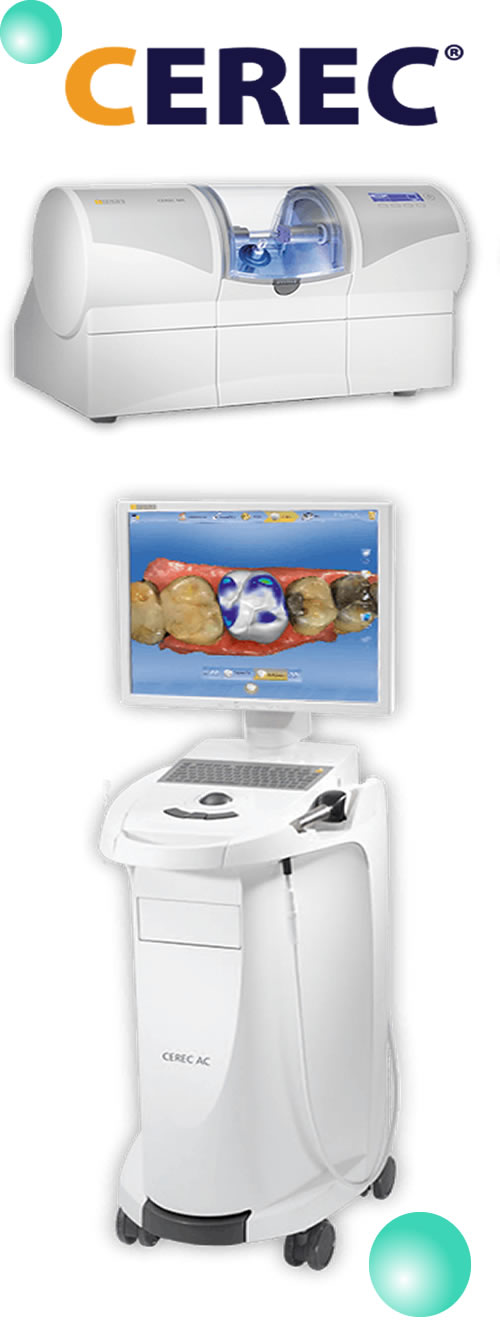
CEREC
What is CEREC? It’s a cutting edge technology, using cutting edge techniques.
If one of your teeth gets damaged, we may recommend a dental crown, which is a small, tooth-shaped cap to fit over your tooth. These can hide breaks, damage, discolouration, misshapen teeth or even an implant.
CEREC (Chairside Economical Restoration of Esthetic Ceramic) is not only a way to create dental restorations, it also offers many other benefits, especially for those looking to limit their number of dental appointments.
Our specialised first-class equipment allows us to design and create restorations using a computer’s help.
Crowns are designed and created using CAD/CAM (computer-aided design and computer-aided manufacturing). This process means designs are made to measure made from impressions with computer software.
The restoration is then placed in your mouth, and necessary final adjustments are made before the crown is then bonded to your tooth.
This type of dental work used to require multiple visits, but now with CEREC technology, the crown can be created and placed in a single appointment.
It’s vital to consult with your dentist for their expert opinion on whether CEREC it’s a good choice for your individual needs.

Get started now